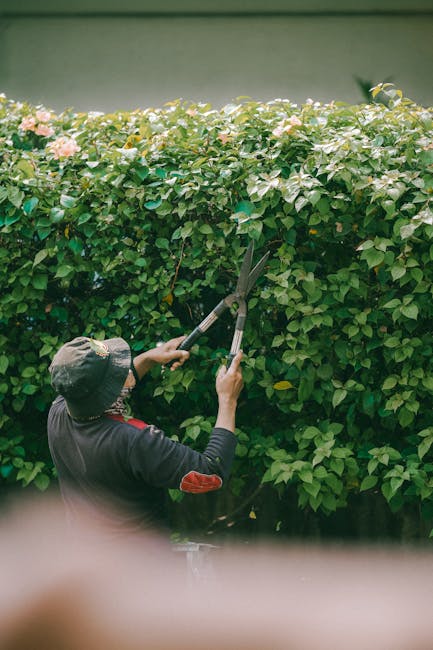
What Alperton gardeners charge hidden costs to avoid
If you've ever compared gardening quotes and thought, "That looks fine... but what's missing?", you're asking exactly the right question. What Alperton gardeners charge hidden costs to avoid is really about more than a price list. It's about spotting the extras that turn a tidy quote into a surprisingly expensive job once the hedge is cut, the lawn is mown, or the garden has been cleared.
In Alperton, as in most of London, gardening prices can vary a lot depending on access, waste removal, equipment, labour time, and how clearly the work is specified. The good news? Most hidden costs are avoidable if you know what to look for. This guide breaks down the common add-ons, how gardeners structure their pricing, what good quoting looks like, and how to compare services without getting caught out. Nothing fancy. Just the stuff that saves money and stress.
Table of Contents
- Why hidden gardening costs matter
- How garden pricing and extras usually work
- Key benefits of understanding costs upfront
- Who this is for and when it makes sense
- Step-by-step guidance for comparing quotes
- Expert tips for better results
- Common mistakes to avoid
- Tools, resources and recommendations
- Law, compliance, standards and best practice
- Options, methods and comparison table
- Case study or real-world example
- Practical checklist
- Conclusion
- Frequently asked questions
Why hidden gardening costs matter
Hidden costs matter because most gardening work is not just "the job" itself. There's preparation, access, waste disposal, tool transport, fuel, and sometimes follow-up work that only becomes obvious once the gardener arrives. A quote can look competitive at first glance and still end up more expensive than a slightly higher one that included everything.
That matters especially for homeowners and landlords in Alperton who want predictable spend. Maybe you need a one-off tidy before a sale, maybe regular garden maintenance, or maybe a bigger seasonal refresh. In each case, surprise charges make it harder to budget and harder to compare like for like. And let's be honest, nobody enjoys being told at 4:45pm that the garden waste is "extra".
Here's the real issue: gardening quotes are often written in shorthand. Some are helpful. Some are vague enough to be dangerous. If you don't ask the right questions, you may be paying for:
- garden waste removal that was never included
- extra labour for overgrown or heavily neglected gardens
- parking, congestion, or access difficulties
- specialist equipment for larger jobs
- separate charges for pruning, cutting back, or dismantling
- VAT or payment fees not clearly stated
A clear quote protects both sides. It gives the gardener a fair scope and gives you a fair expectation. Simple, really.
How garden pricing and extras usually work
Most Alperton gardeners price work in one of a few common ways: hourly, fixed price, or by task. The model matters because hidden costs tend to appear when the scope is loose. For instance, an hourly rate can be perfectly reasonable for ongoing work, but only if you understand how long the job is expected to take and what happens if conditions are worse than expected.
Gardeners often start by assessing size, condition, access, and required materials. A neat front lawn is not the same as a back garden that's been untouched for six months. Dense brambles, wet soil, awkward side access, and heavy waste all increase time. In practice, that means the cheapest quote on paper may not be the cheapest overall.
One helpful way to think about it is this:
- Base price = the core job
- Add-ons = anything outside the core job
- Variables = things the gardener cannot confirm until they see the site
Common variables include waste volume, hedge height, tree size, garden slope, the number of trips required, and whether there's space for a van near the property. In a tight London street, access alone can change the price. You'll notice this most with clearance jobs and larger landscaping work.
If you are comparing broader service options, it may help to look at the services overview and then narrow down what's actually needed. That saves the classic mistake of paying for a full-service quote when all you needed was a smaller tidy-up.
Key benefits and practical advantages
Understanding hidden costs is not just about avoiding overpayment. It also helps you get better workmanship, more accurate scheduling, and fewer awkward conversations on the day. In our experience, the people who ask the best questions usually end up with the smoothest jobs. Funny how that works.
Here are the main benefits:
- Better budgeting - you know what the job is likely to cost before work begins.
- Cleaner comparisons - you can compare two quotes fairly, not just by headline price.
- Less disruption - fewer disputes about waste, extra hours, or equipment use.
- More suitable service choice - you can choose between one-off help and ongoing care more confidently.
- Lower risk of rushed work - if the scope is clear, the gardener is less likely to cut corners to absorb hidden expenses.
There's also a trust benefit. Clear pricing tends to reflect clear working methods. That doesn't mean the cheapest gardener is bad, or the most expensive one is best. It just means transparency is a strong signal. It gives you something solid to judge.
For regular upkeep, many customers do better with a predictable plan than with repeated one-off callouts. If that sounds like you, it's worth comparing one-off clearance with ongoing garden maintenance or a specific service such as lawn mowing or hedge trimming. Different jobs, different pricing logic.
Who this is for and when it makes sense
This topic matters to more people than you might think. If your garden is tidy and small, you may only need a straightforward visit. But hidden costs become much more relevant when the job is larger, less accessible, or more seasonal.
This guide is especially useful if you are:
- a homeowner comparing local gardeners in Alperton
- a landlord preparing a rental property between tenancies
- a tenant trying to restore a garden before checkout
- someone arranging a pre-sale garden tidy to improve kerb appeal
- managing a neglected garden that needs more than a quick trim
- planning a larger project involving landscaping or landscape gardening
It also makes sense if you've had a quote that feels suspiciously low. Sometimes that's fine. Sometimes it means the gardener is assuming extras will be added later. That's where people get caught out. One minute it's a "cheap tidy", the next minute there are fees for waste, labour, and a mysterious "site complexity" line. Not ideal.
If the job involves heavy material, overgrown shrubs, or a major reset, it may be worth checking whether garden clearance is more appropriate than a standard tidy-up. The right service often costs less in the end because it is priced honestly from the start.
Step-by-step guidance for comparing quotes
There's a sensible way to handle this without overthinking it. You do not need to interrogate every gardener like a courtroom witness. You just need a clear process.
- Define the job properly. Write down what you want done, including areas, heights, waste, and any awkward access. A driveway side gate, steep steps, or no parking nearby can all matter.
- Ask what is included. Don't assume waste removal, bagging, fuel, or equipment hire are part of the base price.
- Ask what is excluded. This is where many hidden costs hide in plain sight.
- Request the charging method. Is it fixed price, hourly, or a hybrid? What happens if the job takes longer?
- Check whether the garden needs a visit first. For messy or larger jobs, an in-person assessment is often the safest way to avoid surprises.
- Compare on total value, not just the headline number. A quote that includes waste disposal may be better than a cheaper one that doesn't.
- Confirm the final scope in writing. A short written summary is enough. It avoids that awkward "I thought that was included" moment.
If you want a practical starting point, review a provider's pricing and quotes information before booking. A transparent pricing page usually answers some of the biggest questions up front, which saves time for everyone.
One small but useful tip: if the job sounds too vague, ask the gardener to separate the quote into labour, waste, and extras. Even a rough split helps you see where the money is going. You don't need a spreadsheet. Just enough clarity to breathe easy.
Expert tips for better results
After enough garden jobs, certain patterns become very obvious. The best outcomes usually come from simple preparation and direct communication. Nothing glamorous, just effective.
Be specific about waste
Waste is one of the biggest hidden-cost triggers. Ask how much will be removed, whether it is bagged or loose, and whether it is charged by volume, time, or load. A garden full of cuttings can look harmless until it's in the van.
State the condition honestly
If the garden is overgrown, say so. If the last cut was months ago, say that too. It is not about embarrassing yourself. It is about getting a fair estimate. A gardener cannot price what they cannot see.
Ask about access before the visit
Side passages, locked gates, narrow alleys, and lack of parking can all slow the job down. In Alperton, that's not unusual. If access is tight, tell the gardener before they quote.
Clarify whether specialist work is separate
Some jobs need specialist handling, especially tree work or tall hedge cuts. For anything involving height, weight, or risk, check whether the gardener is planning a simple tidy or a more complex service like tree lopping and removal. The wrong assumption there can become expensive, and messy too.
Use a seasonal mindset
Spring and early summer often bring heavier demand. Autumn can bring leaf-heavy, time-consuming work. If you book at the last minute, you may pay more or accept a less detailed quote. A bit of planning goes a long way.
To be fair, the cheapest quote is rarely the calmest quote. Calm quotes tend to be clearer. That counts for something.
Common mistakes to avoid
Most bad experiences come from a few repeat mistakes. They're easy to make, especially when the garden looks manageable from the kitchen window and then turns out to be a bit of a jungle once you step outside.
- Accepting a vague quote. "Garden tidy GBPX" sounds neat, but what does it actually include?
- Forgetting waste removal. This is probably the most common surprise extra.
- Assuming all jobs are hourly. Sometimes a fixed quote would have been safer.
- Not mentioning access problems. A narrow path or no parking can change everything.
- Ignoring overgrowth. If there are thick shrubs, roots, or accumulated debris, the job may be more involved than expected.
- Choosing only by price. Very low quotes can mean a narrow scope or extra charges later.
- Not checking whether specialist tools are needed. Bigger hedges, heavy cuttings, and awkward corners often need more than basic kit.
One slightly unglamorous truth: if you don't ask about the boring stuff, the boring stuff will charge you later. That is just how it goes.
Tools, resources and recommendations
You don't need a toolkit full of gadgets to compare gardening quotes properly. A notebook, a few photos, and a clear list of questions can be enough. Still, a few practical resources make the process smoother.
Useful things to prepare before requesting quotes:
- Photos of the garden taken from multiple angles in daylight
- Approximate measurements for lawns, beds, hedges, or clearance areas
- Notes on access such as steps, gates, parking, and shared pathways
- A simple priority list so the gardener knows what matters most
- Any timing constraints such as a move-out date or planned viewing
For provider information, it is sensible to review the company's about us page to understand who you are dealing with, then check payment and security if you want reassurance about how payment is handled. If sustainability matters to you, the recycling and sustainability information can also be useful, especially for larger clearance jobs.
And yes, sometimes the simplest tool is just a calm phone call. Old-fashioned, but effective.
Law, compliance, standards and best practice
For most domestic gardening, you do not need to become a legal expert. But a few common-sense standards are worth keeping in mind because they affect price, safety, and accountability.
Good practice usually includes:
- Clear scope of work so both sides understand the job
- Transparent pricing with any likely extras explained before work starts
- Safe working methods where tools, ladders, and heavy waste are involved
- Appropriate insurance for public-facing garden work and property protection
- Responsible waste handling where green waste is removed from site
For larger or riskier jobs, such as tree work or access-sensitive clearance, it is sensible to ask how safety is managed. A decent provider should be able to talk clearly about insurance and working methods without sounding evasive. If they can't, that's a clue. Not always a deal-breaker, but definitely a clue.
If you want extra reassurance, the site's insurance and safety page and health and safety policy explain how a professional approach is handled. That kind of transparency usually correlates with fewer last-minute surprises.
Practical note: prices may also be affected by VAT status, payment methods, or whether the work is one-off or ongoing. If any of that is unclear, ask directly. A short question now is cheaper than a long argument later.
Options, methods and comparison table
If you're deciding how to hire, there are a few common approaches. Each has its place. The best one depends on how clear the job is and how much variation you expect.
| Pricing method | Best for | Pros | Watch out for |
|---|---|---|---|
| Fixed quote | Clear, well-scoped jobs | Predictable total cost, easier budgeting | May exclude extras if the scope is not written clearly |
| Hourly rate | Flexible or uncertain tasks | Useful when the work changes on site | Total cost can rise if the job is more complex than expected |
| Task-based pricing | Specific jobs like hedge trimming or mowing | Easy to understand for repeat services | Add-ons may appear for waste, height, or difficult access |
| Quoted visit after inspection | Overgrown or larger gardens | Often the most accurate | Takes more time to arrange |
For a simple, weekly cut, a clearly defined service such as lawn mowing may be straightforward. For more substantial work, a flexible quote might still be best - but only if the extras are explained properly. That distinction matters.
Case study or real-world example
Imagine a typical Alperton garden: a small rear lawn, an overgrown border, two hedges, and a pile of cuttings from a previous tidy-up. Nothing extreme, but enough to cause pricing confusion.
One gardener gives a low headline quote for a general tidy. Another gives a slightly higher quote but states, in plain language, that the price includes labour, hedge cutting, bagging, and waste removal up to a reasonable volume. At first glance, the cheaper option feels tempting. But once the job starts, the first gardener says the cuttings will need to be removed separately and the hedge work will take longer than expected.
That is the moment people get annoyed. Understandably. The final total suddenly overtakes the second quote, and the job feels more stressful than it needed to be. Meanwhile, the gardener who priced properly is looking like the sensible choice all along.
The lesson here is not "always choose the highest quote". Not at all. It is that clarity often saves money, especially on jobs involving clearance, trimming, or a mix of small tasks. If the work needs a bigger reset, a service such as garden clearance can be a better fit than trying to patch together a vague general tidy. Sometimes the right label saves the budget.
And yes, there's a little less drama that way. Which is nice.
Practical checklist
Use this before you accept a quote.
- Have I described the garden clearly and honestly?
- Do I know whether waste removal is included?
- Has access been discussed, including parking and gate width?
- Is the quote fixed, hourly, or task-based?
- Are materials, fuel, or equipment charges included?
- Have hedge height, tree work, or awkward areas been mentioned?
- Do I understand what is excluded from the price?
- Have I compared the total value, not just the headline number?
- Is the scope confirmed in writing?
- Do I feel comfortable asking follow-up questions?
If you can tick most of those boxes, you're in good shape. If not, pause. It's better to spend five extra minutes now than five extra hours later sorting out a misunderstanding.
Get a free quote today and see how much you can save.
Conclusion
Knowing what Alperton gardeners charge hidden costs to avoid is really about buying with your eyes open. Once you understand how waste, access, labour, equipment, and scope changes affect pricing, the whole process becomes far less stressful. You can compare quotes properly, ask better questions, and choose the right level of service for the job in front of you.
That matters whether you need a simple mow, a hedge cut, a one-off clearance, or something bigger like landscaping. The goal is not to chase the cheapest number. It is to get a fair, clear, well-defined service that does what you need without nasty surprises. Truth be told, that's what most people want anyway.
Take your time, ask the boring questions, and trust the quotes that feel transparent. That little bit of care usually pays off. And the garden? It tends to look better for it, too.
Frequently Asked Questions
What hidden costs do gardeners in Alperton usually charge?
The most common hidden costs are garden waste removal, extra labour for overgrown areas, difficult access, equipment use, and charges for specialist work such as hedge cutting or tree-related tasks. Sometimes VAT or payment-related details are also unclear unless you ask.
How can I avoid surprise charges from a gardener?
Ask what is included, what is excluded, and how waste is handled. Share photos, mention access issues, and request a written quote. Clear scope up front is the easiest way to avoid unexpected extras.
Is the cheapest gardening quote usually the best value?
Not always. A very low quote may leave out waste removal, extra labour, or materials. The best value is usually the quote that explains everything clearly and fits the actual job.
Should I expect to pay extra for garden waste removal?
Very often, yes, especially if the work produces a large volume of cuttings or debris. Some gardeners include it in the quote, while others charge separately. Always confirm it before booking.
Do gardeners charge more for overgrown gardens?
Usually they do, because overgrown gardens take more time, more effort, and often more waste removal. If the site has not been maintained for a while, say so early so the quote can reflect the real workload.
What should be included in a good gardening quote?
A good quote should usually cover the agreed tasks, labour, expected waste handling, and any obvious exclusions. It should also explain whether the price is fixed or hourly and whether any extra charges could apply.
Are lawn mowing prices ever affected by hidden costs?
Yes. A straightforward mow is often simple, but hidden costs can appear if the grass is very long, the access is awkward, or there is a lot of edging, clipping collection, or extra tidy-up work involved.
When does a garden need clearance rather than a normal tidy?
If the garden is heavily cluttered, overgrown, or full of accumulated waste, a clearance service is often the better choice. It tends to be priced more honestly for that type of work than a basic tidy-up.
Should I ask about insurance and safety?
Yes, especially for larger jobs, tree work, or anything involving ladders, power tools, or heavy waste. A professional gardener should be able to explain how they work safely and how they handle risk.
How do I compare two gardening quotes properly?
Compare the total scope, not just the price. Check what tasks are included, whether waste removal is covered, how access problems are treated, and whether any extras might be added later.
Can regular garden maintenance reduce future costs?
Often, yes. Regular maintenance can prevent heavy overgrowth, keep waste volumes lower, and make each visit more predictable. That usually means fewer surprise charges over time.
What is the best next step if I'm not sure about a quote?
Ask for clarification before accepting it. A decent gardener will not mind explaining the details. If the answer is vague or evasive, it is usually better to keep looking.