Garden clearance Alperton what gardeners must do under Brent rules
If you are arranging garden clearance in Alperton, the job is not just about cutting back brambles and loading a van. Gardeners also need to think about Brent rules, waste handling, property access, neighbour considerations, and basic safety on site. Get that wrong, and a simple tidy-up can turn messy very quickly.
This guide explains Garden clearance Alperton what gardeners must do under Brent rules in plain English. It is written for homeowners, landlords, tenants, letting agents, and gardeners who want to do the work properly the first time. You will find the practical steps, the usual compliance points, the common mistakes, and what a well-run clearance should look like from start to finish. To be fair, most problems are avoidable once the process is clear.
For readers who want a broader view of services around the same job, it can help to look at the wider services overview and the dedicated garden clearance service page as well.
Table of Contents
- Why Garden clearance Alperton what gardeners must do under Brent rules matters
- How it works in practice
- Key benefits and practical advantages
- Who this is for and when it makes sense
- Step-by-step guidance
- Expert tips for better results
- Common mistakes to avoid
- Tools, resources and recommendations
- Law, compliance, standards, or best practice
- Options, methods, or comparison table
- Case study or real-world example
- Practical checklist
- Conclusion
- Frequently asked questions
Why Garden clearance Alperton what gardeners must do under Brent rules matters
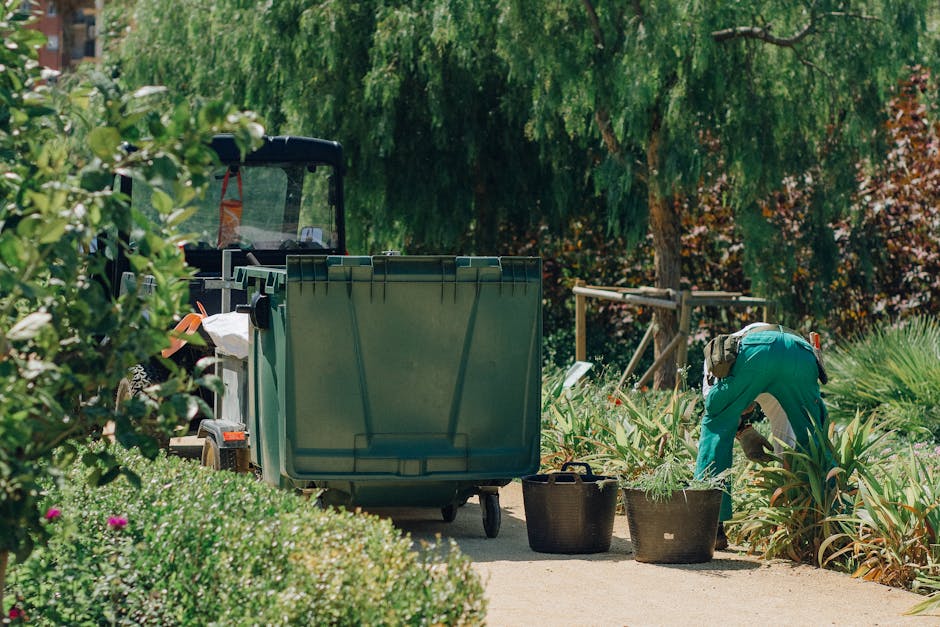
Garden clearance sounds straightforward until you are standing in a cramped side passage with sacks of hedge cuttings, a broken fence panel, muddy soil, and somewhere to the rear of the garden, an old pile of timber that has definitely seen better days. The practical side matters, but so does doing things in a way that fits local expectations.
In Brent, as in much of London, the main issues are usually not the plants themselves. The pressure points are waste disposal, keeping shared spaces clear, avoiding nuisance, and making sure work does not spill over into public areas. If a gardener leaves debris on a pavement, blocks access, or removes materials without a proper disposal plan, that is where complaints start. And once complaints start, the job costs more in time than money. Usually both, if we are honest.
For that reason, a proper garden clearance is a mix of horticultural work and site management. Gardeners need to know what can be cut, what should be separated, what needs special handling, and what must not be left behind. This matters even more on narrow streets and terraced homes in Alperton, where access is often tight and neighbours are close by.
Key takeaway: good garden clearance is not just removal. It is controlled removal, safe handling, tidy finish, and responsible disposal that respects the property and the local area.
If you also need regular upkeep after the clearance, a planned garden maintenance schedule can stop the space from sliding back into the same condition again.
How Garden clearance Alperton what gardeners must do under Brent rules works
A well-run clearance normally follows a clear sequence. First, the garden is assessed. Then materials are sorted. After that comes cutting, lifting, loading, sweeping, and final checks. Simple in theory. In practice, the order saves a lot of grief.
Gardeners should begin by identifying hazards: broken glass, hidden metal, unstable structures, diseased material, trip risks, overgrown paths, or anything sharp under growth. If the garden contains mature trees or large branches, the work may overlap with tree lopping and removal, which needs a more cautious approach than basic hedge cutting.
Then comes sorting. Green waste, woody material, general rubbish, and reusable garden items should not all be chucked together without thought. It is much easier to manage one garden pile at a time than to create a single mixed heap and hope for the best. That approach rarely ends well.
In practical Brent terms, the job should also respect access routes. If waste is being moved through a shared hallway, a side gate, or the front path, gardeners need to keep those routes clean and safe. The same applies if they are passing waste through a driveway or working near parked cars. Small things, yes, but they are the small things people remember.
For anything beyond a quick cut-back, a professional team will usually bring the right kit, plan the loading method, and think about waste transfer before starting. If you are comparing service options, it may help to review pricing and quotes early so you understand what is included and what is not.
Key Benefits and Practical Advantages
When garden clearance is handled properly, the benefits are very immediate. You can see the garden again. You can move through it. Light reaches the beds. The smell of damp leaf litter lifts. It feels usable again, and that matters more than people expect.
- Safer access: clear paths reduce slips, trips, and blocked exits.
- Better presentation: a tidy garden improves the look of the home almost instantly.
- Healthier growth: removing dead material helps the remaining plants recover.
- Lower nuisance risk: fewer complaints from neighbours about mess, odour, or overspill.
- Easier follow-up work: mowing, hedge trimming, or landscaping becomes simpler after clearance.
There is also a practical commercial side. If the property is being sold, let, or handed back after a tenancy, a proper clearance makes inspections easier and avoids the awkward "who is responsible for this?" conversation. Nobody likes that one.
And if the garden will need redesigning afterwards, good clearance is often the first stage of wider landscape gardening or full landscaping work. You clear first, then build properly from there.
Who This Is For and When It Makes Sense
Garden clearance is not only for neglected gardens. Plenty of well-kept properties need it from time to time, especially after storm damage, a long holiday, building work, or a period when normal maintenance slipped.
This is often the right choice if you are:
- a homeowner dealing with an overgrown rear garden;
- a landlord preparing a property between tenancies;
- a tenant trying to hand a garden back in decent order;
- a letting agent arranging a pre-visit tidy-up;
- a gardener asked to reset a site before ongoing maintenance starts;
- someone who has inherited a garden and is not quite sure where to begin.
It also makes sense when the garden has become unsafe to work in with normal tools. Thick brambles, collapsed sheds, tangled climbers, old timber, and unmanaged hedge growth can all make regular upkeep impossible until the clutter is removed. In those cases, a one-off clearance is the reset button.
If the job includes persistent overgrowth on boundaries or frontages, some of the work may overlap with hedge trimming too. That is normal. Real gardens do not separate themselves neatly into website categories, sadly.
Step-by-Step Guidance
Here is the practical flow gardeners should follow when carrying out clearance work in Alperton under Brent expectations.
1. Assess the site before lifting anything
Walk the garden first. Check for hazards, access limits, hidden waste, and anything that may need special handling. Do not start cutting blind. A ten-minute survey can prevent a two-hour problem later.
2. Separate material into sensible groups
Group green waste, woody cuttings, bulky debris, and general rubbish separately where possible. This keeps the job tidier and helps with disposal planning. It also makes it easier to explain what has been removed if the client asks.
3. Protect access routes
Cover or keep clear paths, side access, and shared entrances. If the work creates mud or loose cuttings, sweep as you go. Brent streets can be busy enough without a trail of hedge clippings left behind.
4. Remove heavy and sharp items carefully
Old fencing, rusty fixings, damaged decking boards, and broken containers should be lifted using proper gloves and sensible manual handling. If a section of timber is rotten or unstable, treat it like it wants to fall apart, because it probably does.
5. Cut back overgrowth in the right order
Take the biggest growth down first, then refine. For instance, clear brambles and self-seeded saplings before dealing with finer pruning. Trying to shape a garden before clearing the bulk is a bit like sweeping a floor before moving the furniture.
6. Check for protected or sensitive features
If the garden has mature trees, nesting birds, or established boundary features, use caution. Not every overgrown branch should be removed automatically. Sometimes the sensible move is to trim lightly and leave the rest for a proper assessment.
7. Finish with a full tidy-through
Rake, sweep, and collect the last debris. The final look matters. Clients do not remember how many sacks were filled; they remember whether the garden feels finished.
If the clearance leaves the space ready for ongoing care, consider combining it with lawn mowing so the lawn does not become the next problem a week later.
Expert Tips for Better Results
In our experience, the best clearance jobs are not always the fastest. They are the ones where the gardener slows down just enough to think. That sounds obvious, but it is often the difference between a decent job and a really clean one.
- Start at the perimeter: edges reveal the true size of the job and show where access is tight.
- Work from top to bottom: clear high growth first, then the ground layer, then fine debris.
- Use a "keep, cut, remove" mindset: not everything overgrown needs to be torn out.
- Watch the weather: wet cuttings are heavier, messier, and more likely to smear across paths.
- Plan the load before the first cut: if waste collection is delayed, know where material will sit safely in the meantime.
One small habit makes a big difference: pause halfway through and look back from the house or gate. You will instantly spot anything missed. That one glance can save a callback, which is always nicer than trying to sound casual when you are actually not.
If you want reassurance around safe working methods, the site's health and safety policy and insurance and safety information are sensible places to review before booking work.
Common Mistakes to Avoid
Most garden clearance problems are predictable. That is the good news. The bad news is they are still common.
- Skipping the site assessment: this is how hidden hazards get missed.
- Mixing waste carelessly: it makes disposal harder and can cause avoidable extra labour.
- Leaving a half-finished edge: the garden looks worse if one corner is tidy and another is not.
- Ignoring neighbours and access: noise, blockages, and debris spread create complaints quickly.
- Over-cutting healthy growth: too much removal can stress plants and leave bare gaps.
- Forgetting the finish: a clearance without sweeping and checking is not really finished.
Another mistake is assuming all "garden waste" is the same. It is not. Soft green waste, woody material, large branches, soil, and non-plant rubbish may all need different handling. A quick sort at the start saves a lot of head-scratching later.
And yes, the "we'll deal with it at the end" approach? Usually that just means dealing with it for longer.
Tools, Resources and Recommendations
For most clearance jobs, the tools are straightforward. The challenge is using the right tool at the right time, rather than trying to force one piece of kit to do everything.
| Task | Typical tools | Why it helps |
|---|---|---|
| Cutting back dense growth | Secateurs, loppers, hedge trimmers, pruning saw | Makes overgrowth manageable in layers |
| Lifting debris | Heavy-duty gloves, rakes, shovels, sacks | Keeps handling safer and more efficient |
| Clearing waste | Barrow, load sacks, vehicle with suitable capacity | Reduces repeated trips and mess |
| Finishing the garden | Leaf blower, broom, rake, hand tools | Leaves a cleaner, more presentable finish |
For longer-term upkeep, the best recommendation is usually to pair a one-off clearance with a maintenance plan. That can include periodic mowing, hedge trimming, and seasonal tidy-ups. It is a lot easier to keep a garden in shape than to rescue one every few months.
Useful related services from the same provider set can include garden maintenance for routine visits and services overview for comparing broader options in one place.
Law, Compliance, Standards, or Best Practice
Garden clearance in Alperton sits within wider UK expectations around waste, safety, and considerate working. You do not need a legal lecture to understand the basics, but you do need a clear method.
At a practical level, gardeners should make sure waste is handled responsibly, work areas are kept safe, and any material moved away from the site is dealt with properly. If the job produces waste that is taken off site, the garden team should be able to explain how it is managed. That does not mean every customer needs paperwork on the kitchen table. It does mean the process should not feel vague or improvised.
Where access is shared or public, good practice means keeping pavements, entrances, and paths clear. If equipment or waste temporarily occupies a space, it should be controlled and removed promptly. That is just basic professional behaviour, really.
Best practice also means avoiding unnecessary damage to plants that are meant to stay. A clearance should be selective. Remove what needs to go, protect what remains, and leave the site in a condition that supports future growth. If mature trees are involved, extra care is sensible because those jobs can quickly move beyond standard clearance into specialist work.
For environmental handling, many customers now expect a sensible recycling mindset too. If that matters to you, see the provider's recycling and sustainability approach and ask how they separate green waste from other material.
Options, Methods, or Comparison Table
There are a few ways to approach garden clearance. The right option depends on the condition of the garden, the size of the job, and whether you need follow-up maintenance.
| Method | Best for | Strengths | Limitations |
|---|---|---|---|
| Light tidy clearance | Reasonably kept gardens needing a reset | Quick, neat, cost-effective | Not suitable for major overgrowth or bulky waste |
| Full clearance | Neglected gardens, tenant changes, post-build cleanup | Thorough, practical, resets the space | Takes longer and usually needs more labour |
| Clearance plus maintenance | Homes that need both recovery and regular upkeep | Stops the garden sliding backwards | Requires an ongoing plan |
| Clearance plus landscaping prep | Gardens about to be redesigned | Creates a clean base for new work | May involve more coordination |
As a rule of thumb, if the garden is only slightly unruly, a tidy clearance may be enough. If it hides paths, structures, or large amounts of waste, you are probably in full-clearance territory. Not glamorous language, but accurate.
Case Study or Real-World Example
A typical Alperton job might involve a back garden that has been left through one wet spring and part of the summer. The lawn is patchy. Brambles have climbed the fence. A shed corner has collapsed. There are old pots, a broken trellis, and several bags of unknown material tucked behind a bin store.
The first move is not cutting. It is sorting. The gardener checks access, identifies what can be removed safely, and separates the clearance into sections. The brambles come down in stages so the fence is not damaged. The old timber is removed carefully. Loose debris is bagged before it spreads into the paving. Then the lawn area is cleared enough for mowing or, if needed, a follow-on maintenance visit.
At the end, the garden is not "finished" in the landscaping sense, but it is transformed. It becomes usable, safe to walk through, and ready for the next stage. That is the real value. Not perfection. Just a proper reset.
In a lot of homes, especially around tight London plots, that reset is the difference between a garden you avoid and a garden you can actually enjoy on a Saturday afternoon with a cup of tea. Simple pleasure, but a real one.
Practical Checklist
Use this checklist before and during garden clearance work in Alperton:
- Walk the site and identify hazards before starting.
- Check access routes, gates, and shared paths.
- Separate green waste, woody material, and general rubbish.
- Protect plants, features, and structures that are staying.
- Use appropriate gloves and manual handling methods.
- Keep the pavement, entrance, and garden paths clear.
- Work from the largest growth down to the smallest debris.
- Sweep, rake, and inspect the garden before leaving.
- Confirm how waste will be removed or managed.
- Decide whether follow-up mowing, trimming, or maintenance is needed.
If you are dealing with a mixed job rather than a pure clearance, related services such as lawn mowing and hedge trimming may be useful add-ons to get the garden properly back on track.
Conclusion
Garden clearance Alperton what gardeners must do under Brent rules comes down to good planning, safe working, sensible waste handling, and a respectful finish. It is less about dramatic transformation and more about doing the basics well, in the right order, without creating extra problems for the homeowner or the neighbours.
For gardeners, the job is part horticulture, part logistics, part common sense. For customers, the goal is simple: a garden that is safe, tidy, and ready for whatever comes next. That might be ongoing maintenance, a redesign, or just a bit of peace and order. Truth be told, that last one is often the biggest win.
If you are still deciding whether you need a one-off clearance or a broader garden reset, reviewing garden clearance, garden maintenance, and pricing and quotes can help you choose the right next step.
Get a free quote today and see how much you can save.
Frequently Asked Questions
What does garden clearance usually include in Alperton?
It usually includes removing overgrowth, dead material, fallen debris, light rubbish, and any garden waste that is making the space unsafe or unusable. Some jobs also include sweeping paths, cutting back hedges, and preparing the garden for maintenance or landscaping.
Do gardeners need to follow special Brent rules for garden clearance?
They need to work in a way that respects local waste handling, access, and nuisance concerns. The exact duties depend on the property and the job, but gardeners should always keep the site tidy, avoid blocking public or shared areas, and deal with waste responsibly.
Is garden waste the same as household rubbish?
No, not really. Garden waste is mostly organic material such as grass, leaves, branches, and prunings. Household rubbish can include mixed waste, packaging, broken items, or non-garden debris. Mixed waste usually needs a more careful plan.
How do I know if I need a full clearance or just a tidy-up?
If paths are blocked, shrubs are unmanaged, or there is a lot of accumulated waste, a full clearance is usually the better choice. If the garden is basically fine but needs a reset, a lighter tidy-up may be enough.
Can a gardener remove old fence panels or shed debris too?
Often yes, if that is agreed in advance and the team is set up to handle bulky items safely. It depends on the condition of the materials and the scope of the job. Rotten or unstable items can need extra care.
What happens if there are trees or large branches in the way?
That can move the job into tree-related work. In those cases, the team should assess whether pruning, lopping, or removal is needed and whether the work is within their normal service scope.
How long does garden clearance take?
It depends on the size of the garden, the amount of waste, and how overgrown it is. A small tidy-up may be quick, while a heavily neglected garden can take much longer. Access also matters a lot.
Will the garden be left ready for mowing afterwards?
Usually yes, if that is part of the agreed job. In many cases, the clearance is the first step and mowing follows once the major debris and overgrowth have been removed.
What should I ask before booking a clearance?
Ask what is included, how waste will be handled, whether access is a problem, and whether the team can also help with follow-on work like hedge trimming or maintenance. It is worth asking about insurance and safety too, just to be sure.
Is recycling or greener disposal possible for garden waste?
Often it is, depending on the material and how the work is managed. Green waste is commonly separated from general rubbish where practical, and many customers prefer a provider that takes recycling and sustainability seriously.
Can clearance be done before landscaping work starts?
Yes, and that is often the best time to do it. Clearing the site first gives a cleaner base for any new layout, planting, decking, or structural work that follows.
How do I avoid the garden becoming overgrown again?
Set up regular maintenance after the clearance. Even light ongoing care, such as mowing, hedge trimming, and seasonal tidying, can stop the garden from sliding back into a big recovery job.
If you are ready to talk through your own garden and want a practical plan rather than guesswork, start with the team's contact-us page and ask what level of clearance makes sense for your property.