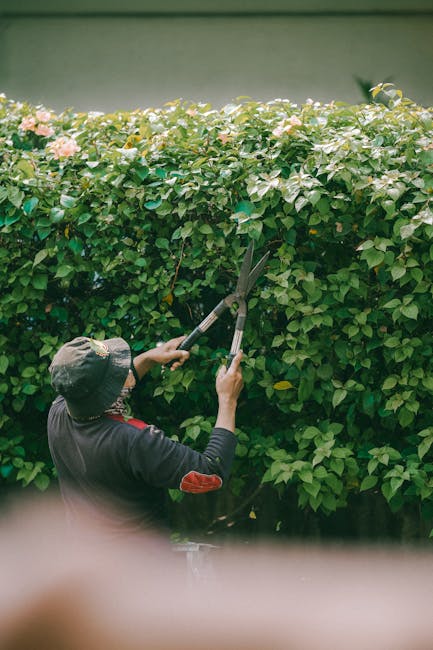
Best gardeners in Alperton HA0 for small yard makeovers
If your yard feels too small to be useful, too plain to enjoy, or just a bit awkward to live with, you are not alone. A compact outdoor space can be a lovely thing, but it needs the right approach. The best gardeners in Alperton HA0 for small yard makeovers understand that tiny gardens are not "less than" larger ones; they simply need sharper planning, cleaner lines, and a little more thought. Done well, a small yard can feel brighter, calmer, and surprisingly generous.
That is really the whole point here. You are not trying to create a country estate in a few square metres. You want a space that looks intentional, works hard, and feels pleasant to step into on a damp weekday evening or a sunny Saturday morning with a cup of tea. This guide breaks down how small yard makeovers work, what to look for in a local gardener, what to avoid, and how to make sensible decisions without wasting money on ideas that sound good but do not suit the space.
If you are comparing services, you may also find it useful to review the wider gardening services available in Alperton, as well as the practical details on pricing and quotes. That helps turn a vague idea into a proper plan. And yes, it makes conversations with gardeners a lot easier.
Table of Contents
- Why small yard makeovers matter in Alperton HA0
- How a small yard makeover works
- Key benefits and practical advantages
- Who this is for and when it makes sense
- Step-by-step guidance
- Expert tips for better results
- Common mistakes to avoid
- Tools, resources and recommendations
- Law, compliance, standards and best practice
- Options, methods and comparison table
- Case study or real-world example
- Practical checklist
- Conclusion
- Frequently asked questions
Why Best gardeners in Alperton HA0 for small yard makeovers Matters
Small yards are easy to underestimate. They are also easy to get wrong. One oversized feature, a poor layout, or the wrong planting choice can make a tight space feel even tighter. The best gardeners in Alperton HA0 for small yard makeovers know how to avoid that trap. They start with scale, flow, and use, not with a shopping list of plants and furniture. That difference matters more than people realise.
In Alperton, where outdoor spaces may be compact, overlooked, or shared with everyday practical needs like bins, sheds, side access, or washing lines, a makeover has to be clever as well as attractive. A good gardener will notice the boring-but-important bits. Drainage. Privacy. Shade. Where the morning sun lands. Which corner turns into a muddy patch after rain. Those details shape the design just as much as the pretty bits do.
Small yard improvements also tend to have a big visual payoff. A crisp edge, better paving, layered planting, and a tidier layout can make the whole home feel more cared for. It is a bit like turning down the clutter in a room; suddenly everything breathes. To be fair, that is often what homeowners want most: not extravagance, but order.
Expert summary: The best small yard makeover is usually not the most ambitious one. It is the one that makes the space feel easier to use, easier to maintain, and more enjoyable every day.
How Best gardeners in Alperton HA0 for small yard makeovers Works
A good small yard makeover usually follows a simple but disciplined process. First, the gardener assesses the space as it is now. They look at size, sun exposure, surfaces, existing planting, access, and the way the yard is actually used. Not how the owner hopes it is used. How it is used in real life. There is a difference, and a meaningful one.
Then comes the planning stage. This is where a capable gardener decides what should stay, what should go, and what needs improving. In a compact yard, every square metre earns its keep. The layout may be adjusted to create the impression of depth, create better movement, or divide the garden into subtle zones. Even a small seating nook can feel more complete if it is visually separated from storage or planting.
After that, the practical work begins. Depending on the job, this could include clearing old growth, refreshing soil, levelling uneven patches, installing new borders, fitting paving or gravel, adding raised beds, and planting shrubs or perennials that suit the available light. Some projects are mostly soft landscaping. Others involve hard landscaping too. Often, it is a bit of both.
The final stage is refinement. This is where the details matter: neat edging, weed suppression, sensible watering arrangements, and finishing touches that stop the garden looking freshly built rather than lived in. A rushed finish can spoil an otherwise good job. A careful one makes the whole thing settle nicely.
What a strong process usually includes
- A clear site assessment before any work starts
- A layout that suits the actual footprint, not a fantasy version of it
- Plant choices that match shade, exposure, and maintenance needs
- Materials selected for durability and ease of care
- Practical thinking around drainage, access, and storage
- A tidy finish with edge lines, clean joints, and usable space
Key Benefits and Practical Advantages
The obvious benefit is that your yard looks better. But that is only the start. A smart makeover can also make day-to-day life easier. Less mess. Less confusion. Less wasted space. In a smaller garden, that can be quite a relief, honestly.
Here are the benefits people usually notice first:
- Better use of space: A compact yard can support seating, planting, and storage if it is organised carefully.
- Lower maintenance: The right design can reduce the amount of weeding, pruning, and patchy repair work.
- Improved privacy: Screens, planting, and layout changes can help create a calmer feel.
- More light and openness: Lighter paving, reflective surfaces, and simpler planting can stop a yard from feeling boxed in.
- Stronger kerb or home appeal: A neat outdoor area improves the impression of the whole property.
- Better seasonal enjoyment: Even a small yard can feel useful in spring, summer, and the cooler months if designed well.
There is also a hidden benefit: confidence. Once a yard has structure, people tend to use it more. They sit out there. They keep it tidier. They stop seeing it as a project they never quite get round to. That shift is bigger than it sounds.
Who This Is For and When It Makes Sense
Small yard makeovers suit a wide range of homeowners and landlords, but they are especially useful when the outside area feels awkward rather than simply tired. If the garden is too narrow, too dark, too muddy, or too patchy to enjoy, then a specialist approach can make a real difference.
This sort of work makes sense if you:
- want a cleaner, more modern look without major construction
- need a family-friendly space that is easier to maintain
- have a rental property and want the yard to look more presentable
- are preparing a home for sale or long-term occupancy
- have inherited an overgrown or neglected yard
- want to combine seating, planting, and practical access in one compact space
It also makes sense when you already know what you do not want. Maybe you do not want high-maintenance borders. Maybe you do not want a lawn that will never really thrive. Maybe you simply want a space that feels calmer on the eye. Truth be told, "less" is often the right answer in a tiny yard.
If you are still figuring out the type of support you need, it can help to read more about the company behind the work on the about us page and how they handle project expectations in their terms and conditions. Small jobs still deserve proper clarity.
Step-by-Step Guidance
Small yard makeovers work best when they are broken into manageable stages. That sounds obvious, but you would be surprised how often people skip straight to choosing plants. That tends to end in disappointment, or at least a planter full of regret.
1. Start with a honest assessment
Look at the yard at different times of day. Morning, late afternoon, after rain if possible. Notice where water collects, where the light falls, and which parts you never use. A small yard often has more character than it first appears; it just needs reading properly.
2. Define the main purpose
Ask what the space should actually do. Should it be a quiet sitting area? A family play space? A green retreat? A low-maintenance patio with planting around the edges? You can have more than one use, but the main purpose should be obvious. Otherwise the yard becomes a compromise that pleases nobody.
3. Strip back unnecessary clutter
This is where many transformations begin. Old containers, broken slabs, tired timber, heavy overgrowth, and random storage items can make a small yard feel cramped. Clearing them out creates visual space before any new work even starts.
4. Build the structure first
Good small gardens usually rely on structure. That may mean paving, a defined seating zone, raised beds, a narrow path, or a clean edge line. Structure gives the eye somewhere to rest. Without it, everything can blur together.
5. Add planting with restraint
Choose plants that suit the conditions and do not overwhelm the space. Repeating a few well-chosen varieties often looks better than cramming in too many different ones. It also makes maintenance easier, which matters a lot in smaller gardens.
6. Finish with practical details
Edging, weed control, lighting, watering access, and storage all matter. A yard that looks lovely but is awkward to live with will not stay lovely for long. The boring bits are what keep the pretty bits intact. Bit annoying, but true.
7. Review after the first season
Some small yard makeovers improve further after planting settles and you learn how the space behaves. A good gardener will often suggest minor adjustments later, especially if plant growth changes the balance of the design.
Expert Tips for Better Results
Here is where the small details can really change the outcome. In a compact yard, tiny choices carry more weight than they would in a larger garden. That is the game.
- Use repetition: Repeating materials or plants creates calm and makes the garden feel more coherent.
- Keep the palette limited: Two or three surface materials is usually enough in a small yard.
- Choose vertical interest carefully: Trellises, climbers, and slim shrubs can lift the space without eating floor area.
- Think about sightlines: Place attractive features where the eye naturally lands from the house or back door.
- Avoid dark, heavy finishes everywhere: Too much dark material can shrink the feel of the garden.
- Plan for maintenance from day one: If you do not want weekly upkeep, say so early. It shapes the whole design.
One practical tip that often gets missed: make sure there is at least one clear route through the space, even if the yard is tiny. A space that feels easy to move through often feels bigger. That simple. Also, if you are planning any waste removal or material recycling, ask how the team handles it. You may prefer a garden business with a stronger focus on recycling and sustainability. It is usually a good sign when a company takes that seriously.
And yes, a small garden can absolutely have a wow factor without looking over-designed. Sometimes the nicest result is the one that whispers a bit rather than shouting.
Common Mistakes to Avoid
Most disappointing small yard projects fail for the same few reasons. The good news is that they are avoidable once you know what to watch for.
Overfilling the space
This is the classic mistake. Too many pots, too many plant varieties, too much furniture, too many competing textures. It becomes visually noisy very quickly. Small yards need breathing room.
Choosing plants that grow too large
Big plants in a tiny space can become a maintenance headache. They may block light, crowd paths, or require constant trimming. Better to choose plants that stay in proportion, or at least can be managed well.
Ignoring drainage
Water pooling in a compact yard is not just annoying. It can damage surfaces and plants, and make the space unpleasant to use. Drainage should be considered from the start, not after the slabs are down.
Using one flat design note only
A yard with no variation can feel lifeless. A little height, texture, and contrast helps, but keep it controlled. The trick is contrast, not chaos.
Forgetting day-to-day living
Where will bins go? Where will the mower or tools sit? How will you get to the back without stepping around something every time? Small yards are living spaces too, not just photographs.
Not checking trust signals
If you are hiring someone, check for sensible process, clear communication, and proper business information. For example, you should be able to find straightforward details on insurance and safety, and a clear route for raising concerns through the complaints procedure. That is not being fussy. That is just sound judgment.
Tools, Resources and Recommendations
You do not need a shed full of specialist kit to improve a small yard, but the right tools make the work cleaner and less stressful. For professional jobs, the gardener will usually bring the main equipment. Still, it helps to know what may be involved.
| Area of work | Useful tools or materials | Why it matters |
|---|---|---|
| Clearing and tidy-up | Secateurs, loppers, waste bags, spades | Removes clutter and opens up the space |
| Surface work | Level, rake, compacting tools, edging materials | Creates neat, usable ground and cleaner lines |
| Planting | Compost, mulch, trowels, watering tools | Helps plants establish properly |
| Small-space design | Raised beds, trellis, planters, slim furniture | Adds structure without overcrowding |
| Ongoing care | Hose, watering can, hand fork, pruners | Makes maintenance manageable |
For most homeowners, the real resource is not equipment. It is advice that fits the space. A proper gardener should be able to explain which features are worth the money and which ones are just decorative extras. That saves you from shiny-object syndrome, which hits hard in garden centres. We have all been there.
If you are at the stage of comparing costs, it is sensible to look at pricing and quote guidance before making decisions. A transparent quote should show what is included, what is not, and whether any disposal, materials, or follow-up work is part of the job.
Law, Compliance, Standards and Best Practice
For small yard makeovers, most of the useful "compliance" focus is practical rather than complicated. If the work involves waste removal, tools, access routes, or minor construction, a professional gardener should handle the job safely and responsibly. You do not need a lecture on regulations, but you do deserve reassurance that the work will be carried out with care.
In the UK, good practice usually means clear communication, appropriate insurance, safe handling of tools and materials, and sensible site housekeeping. If a gardener is removing waste, they should do so in a lawful and tidy way. If they are using machinery or lifting heavy materials, they should think about safety, not just speed. A clean job is rarely an accident.
It is also reasonable to expect transparent terms, secure payment handling, and a respectful approach to personal data if you are making an enquiry online. For that, pages such as payment and security and privacy policy help set expectations. They are not the glamorous bits of gardening, no. But they matter.
And when a business explains its wider commitments, like health and safety policy or modern slavery statement, that gives you a better picture of how seriously it treats standards. It is a small trust signal, but a meaningful one.
Options, Methods and Comparison Table
Not every small yard needs the same kind of makeover. Some spaces benefit from a quick refresh. Others need a more complete redesign. The right choice depends on budget, condition, and how much change you actually want.
| Approach | Best for | Typical benefits | Possible limitation |
|---|---|---|---|
| Light refresh | Yards that are tidy but dull | Fast improvement, lower cost, minimal disruption | Does not solve deeper layout problems |
| Soft landscaping makeover | Spaces needing planting and structure | More character, better atmosphere, often lower maintenance | May not address poor surfaces or drainage |
| Hard landscaping update | Yards with worn paving or awkward layout | Stronger structure, easier movement, durable finish | Usually more expensive and disruptive |
| Full small garden redesign | Overgrown or poorly planned yards | Best long-term transformation and usability | Takes more planning and budget |
The key is to match the method to the problem. If the yard is already functional but looks tired, a refresh may be enough. If it feels cramped, muddy, and badly arranged, a fuller redesign is probably the smarter route. No need to overcomplicate it. The space will tell you, more or less.
Case Study or Real-World Example
Here is a realistic example of the kind of project that comes up often in Alperton HA0. A homeowner has a narrow back yard with old paving, a couple of tired planters, a patch of weed growth near the fence, and almost no sense of structure. The space is technically usable, but nobody enjoys being out there.
The gardener begins by clearing the clutter and assessing the light. The yard gets a decent amount of morning sun but loses brightness later in the day, so heavy shade-loving planting would not be the best use of the space. The layout is then simplified: one defined seating area near the house, a clean edge line, a slim planted border, and vertical screening on one side for privacy.
Instead of filling the yard with lots of different plants, the design uses a small number of repeating varieties, which gives the space a calmer look. The surfaces are chosen to reflect light gently rather than absorb it. The result is not flashy. It is better than flashy. It is usable.
What changes most is how the yard feels at different times of day. In the early evening, when the street is a bit noisier and the sky is turning grey-blue, the space feels quieter and more private. That is the kind of improvement people remember. Not just how it looks in a photo, but how it lives.
Practical Checklist
Use this checklist before you book a small yard makeover. It will save you from vague planning and help you compare gardeners more confidently.
- Have you decided what the space should mainly be used for?
- Do you know which areas feel too dark, too wet, or too cramped?
- Have you thought about storage, bins, and access?
- Do you want low-maintenance planting or a more decorative finish?
- Have you set a realistic budget range?
- Do you know whether you need soft landscaping, hard landscaping, or both?
- Have you checked how waste, materials, and disposal will be handled?
- Have you reviewed the company's trust pages, including insurance and safety and health and safety?
- Have you compared quote inclusions rather than only looking at the headline price?
- Do you know how to get in touch easily if you need to clarify the scope?
If you have most of those answered, you are in a much better position already. Seriously, half the battle is just knowing what you are asking for.
Conclusion
The best gardeners in Alperton HA0 for small yard makeovers are the ones who understand proportion, practicality, and the quiet value of good planning. A small yard does not need to be grand. It needs to feel thoughtful. Comfortable. Easy to live with. Once the space has structure and the planting is matched to the conditions, even a modest yard can become one of the best parts of the home.
Whether you are starting with an overgrown patch, a plain paved corner, or a garden that has never quite worked, the right gardener can help you get much more from it without making the process feel complicated. Keep your brief clear, ask sensible questions, and look for a team that communicates properly from the start. That is usually where the better results come from.
Get a free quote today and see how much you can save.
And if you are ready to take the next step, use the contact page to start a conversation. A good yard makeover begins with one honest chat, and sometimes that is the moment the whole thing starts to feel possible.
Frequently Asked Questions
What should I look for in the best gardeners in Alperton HA0 for small yard makeovers?
Look for clear communication, experience with compact spaces, sensible design thinking, and a practical approach to maintenance. In a small yard, a gardener should understand proportion, drainage, and how to avoid overcrowding. Trust matters too, so it helps if they present their service details clearly and openly.
How much does a small yard makeover usually cost?
Costs vary widely depending on the size of the yard, the condition of the space, materials, access, and whether the job includes clearing, planting, paving, or waste removal. A proper quote should explain what is included. It is best to compare like-for-like rather than just chasing the cheapest number.
Can a small yard really be made to look bigger?
Yes, absolutely. Good layout, restrained planting, lighter surfaces, and clear sightlines can make a compact yard feel more open. You are not physically increasing the space, of course, but you can improve how spacious it feels. That is often enough.
Is a small yard makeover worth it for a rental property?
Usually yes, if the space is visible to tenants and contributes to overall presentation. A tidy, low-maintenance yard can improve appeal and reduce issues linked to poor upkeep. The key is choosing durable features that do not demand constant attention.
What is the best planting style for a small yard?
Simple, repeated planting usually works best. Choose plants that suit the light levels and do not dominate the space. A mix of structure and texture is often more effective than lots of different species. Less can be more, and in small gardens it often is.
Do I need hard landscaping for a small yard makeover?
Not always. Some yards only need soft landscaping, pruning, and better planting. Others need new paving, edging, or a redesigned layout to solve practical problems. A good gardener should advise based on the actual condition of the space, not push one solution for every job.
How long does a small yard makeover take?
That depends on the scope of work. A light refresh may be completed quickly, while a fuller redesign takes longer because it involves more planning, clearing, and finishing. Weather, materials, and access can also affect timing. In London, a bit of flexibility usually helps.
How do I keep a small yard low maintenance?
Use simple planting, sturdy materials, and a layout that is easy to move around. Avoid adding too many features that need constant trimming or cleaning. Mulch, edging, and smart plant selection can cut down on routine work quite a bit.
What if my yard has poor drainage?
Then drainage should be part of the plan from the beginning. A gardener may recommend regrading, improved surfacing, better soil preparation, or another practical fix depending on the problem. Leaving water issues unresolved can undo even a nice makeover, so it is worth addressing early.
How do I know if a gardener is trustworthy?
Look for clear policies, honest quote information, proper contact details, and a professional approach to safety and payment. Pages like about us, insurance and safety, and payment and security can help you judge how seriously a company treats its work.
Can I combine planting and a seating area in a very small yard?
Yes, and that is often the smartest use of the space. The trick is to keep the seating compact and the planting controlled so the yard does not feel crowded. A narrow bench, a small patio zone, or a built-in edge seat can work very well if the layout is thought through properly.
What should I ask for in a quote?
Ask for clarity on labour, materials, waste removal, plant supply, timing, and any follow-up work. You want to understand exactly what you are paying for. If something is not clear, ask. That is not being awkward. That is being sensible.